Soccer Desk Arlington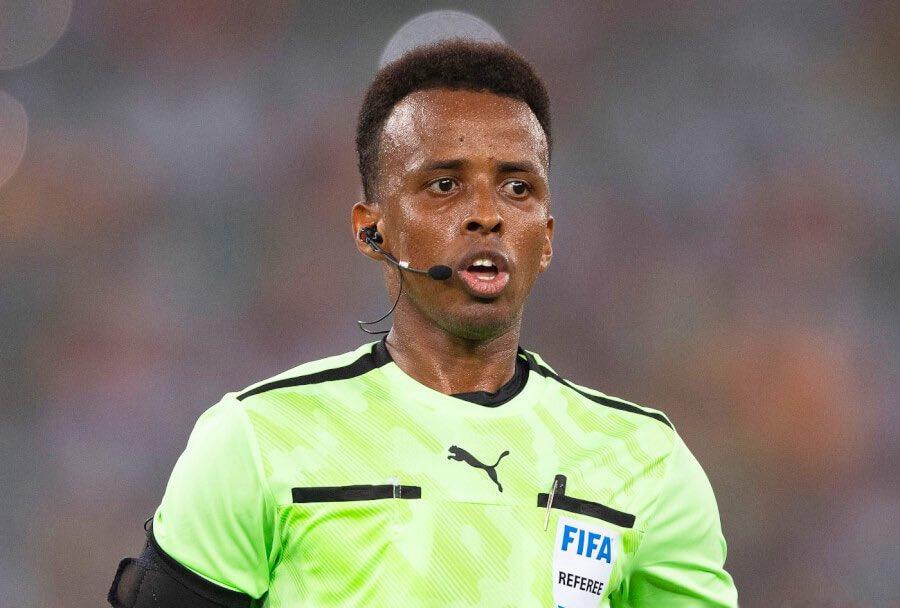
From Mogadishu to the World Stage: Omar Abdulkadir Artan
By NewZprime Sports Desk
For millions of football fans, the FIFA World Cup is about unforgettable goals, legendary players and moments of glory. But behind every great match stands another set of professionals whose contributions often go unnoticed—the referees.
In 2026, one such official was set to make history.
Omar Abdulkadir Artan, a 34-year-old referee from Somalia, was selected to officiate at the FIFA World Cup, becoming the first Somali referee ever chosen for football’s biggest tournament. His appointment was hailed as a landmark achievement not just for Somalia but for African football as a whole.
However, just days before the tournament, his dream came to an abrupt halt.
A Journey Built on Merit
Born and raised in Somalia, a nation that has endured decades of conflict and instability, Artan rose through the ranks with determination and professionalism. His performances in domestic competitions earned him opportunities in continental tournaments under the Confederation of African Football (CAF), where he consistently impressed with his composure and decision-making.
His biggest recognition came in 2025 when CAF named him Africa’s Best Male Referee, an honour that cemented his reputation as one of the continent’s finest match officials.
The FIFA World Cup appointment was therefore not a symbolic gesture—it was the result of years of hard work and excellence.
The Visa Controversy
Despite holding a valid U.S. visa and being officially accredited by FIFA, Artan was denied entry into the United States upon arrival in Miami ahead of the tournament.
The U.S. Customs and Border Protection authorities declared him inadmissible after additional vetting procedures. Later, officials stated that the decision was based on alleged links to “suspected members of terror organizations,” though no public evidence or criminal charges against Artan have been disclosed.
As a result, FIFA confirmed that he would be unable to officiate at the World Cup and subsequently removed him from the list of match officials.
The incident immediately sparked debate across the football community and beyond.
What Is the Real Fact?
The facts established so far are straightforward:
- Omar Abdulkadir Artan possessed a valid visa and FIFA accreditation.
- U.S. immigration authorities nevertheless denied him entry after their own security assessment.
- The U.S. government later cited alleged associations with suspected terror-linked individuals as the reason for the decision.
- No public evidence supporting those allegations has been released.
- Artan himself has denied any wrongdoing and has not been publicly charged with any offence.
- FIFA has maintained that immigration decisions rest solely with the host nation’s authorities and are beyond its control.
Therefore, while U.S. officials maintain that the decision was based on national security considerations, there has been no publicly disclosed proof establishing misconduct by Artan himself. Equally, there is no evidence proving that the authorities acted without reason. The precise intelligence or information relied upon remains confidential.
A Hero’s Welcome Back Home
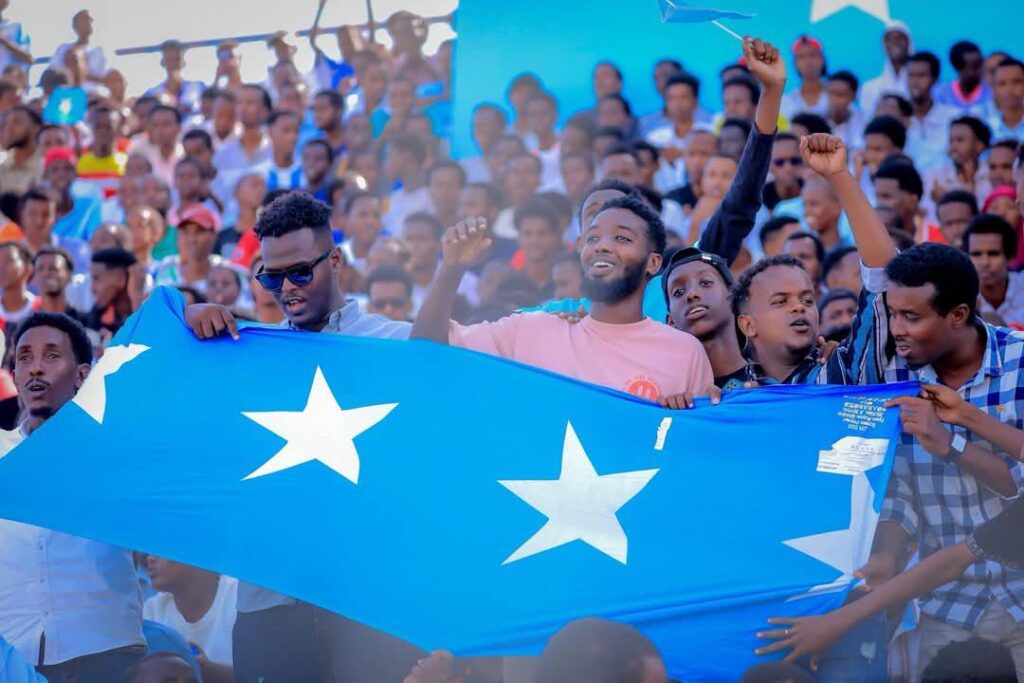
Instead of returning in disgrace, Artan was welcomed as a national hero in Mogadishu.
Crowds gathered at the airport, celebrating the referee whose historic achievement had inspired an entire generation of Somali youth. Speaking after his return, Artan described the episode as “fate” and encouraged young Somalis not to lose hope or abandon their dreams.
His dignified response earned admiration from many around the world.
UEFA Offers a New Opportunity
In a remarkable show of confidence, UEFA and CAF later appointed Artan to officiate the UEFA Super Cup between Paris Saint-Germain and Aston Villa.
The appointment was widely interpreted as recognition of his professional standing and a signal that his refereeing credentials remain unquestioned within the football community.
Beyond One Man
The controversy has reignited discussions about immigration policies, security vetting and the challenges that international sporting events face when hosted across multiple jurisdictions.
For many observers, the case highlights the delicate balance between a nation’s sovereign right to enforce security measures and the universal ideals of inclusivity and fairness that global sporting competitions seek to promote.
Regardless of differing opinions on the immigration decision itself, one fact remains undisputed: Omar Abdulkadir Artan has already made history.
His journey from the football fields of Mogadishu to becoming Africa’s Referee of the Year and the first Somali selected for a FIFA World Cup serves as a powerful reminder that talent can emerge from even the most challenging circumstances.
Whether remembered for the matches he officiated or the opportunity he was denied, Omar Artan’s story has become one of resilience, perseverance and the enduring pursuit of excellence.